



Platelet-Rich Plasma (PRP) Injection
PRP is a biological aesthetic treatment that uses a concentration of a client’s own blood components as part of a cosmetic skin quality support procedure.
Within an aesthetic setting, PRP is selected to support the appearance of skin texture, tone and overall skin vitality, using autologous (self-derived) material.
How the Treatment Works
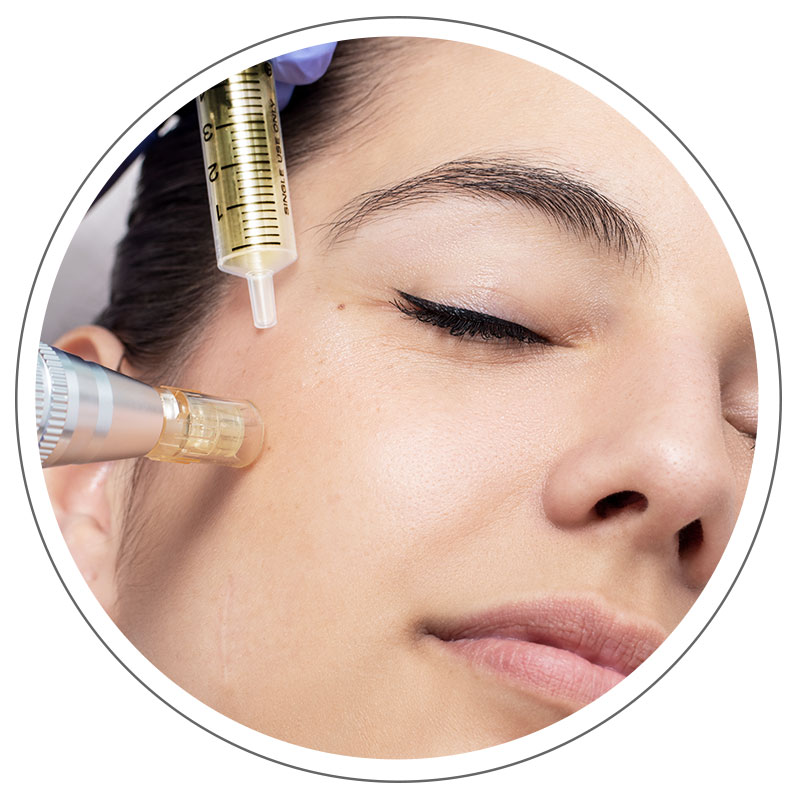
A small sample of the client’s blood is collected and processed using a centrifuge system. This separates and concentrates selected blood components, which are then prepared for application as part of a professional aesthetic procedure.
The treatment is designed to support:
The appearance of improved skin quality
A more refreshed and even-looking complexion
Enhanced skin texture and smoothness
Treatment methods and techniques are determined by the practitioner following consultation.
Aesthetic Applications
PRP may be selected by clients seeking improvement in the appearance of:
Dull or uneven-looking skin
Reduced skin vitality
Fine surface irregularities
General signs of skin ageing
Individual outcomes vary.
Treatment Characteristics
Uses the client’s own biological material
Non-surgical aesthetic procedure
Customised treatment approach
Minimal downtime for most clients
Platelet-Rich Plasma (PRP) – Frequently Asked Questions
1. What is PRP?
PRP is a biological aesthetic treatment that uses components derived from your own blood as part of a cosmetic skin quality support procedure.
2. What does the treatment involve?
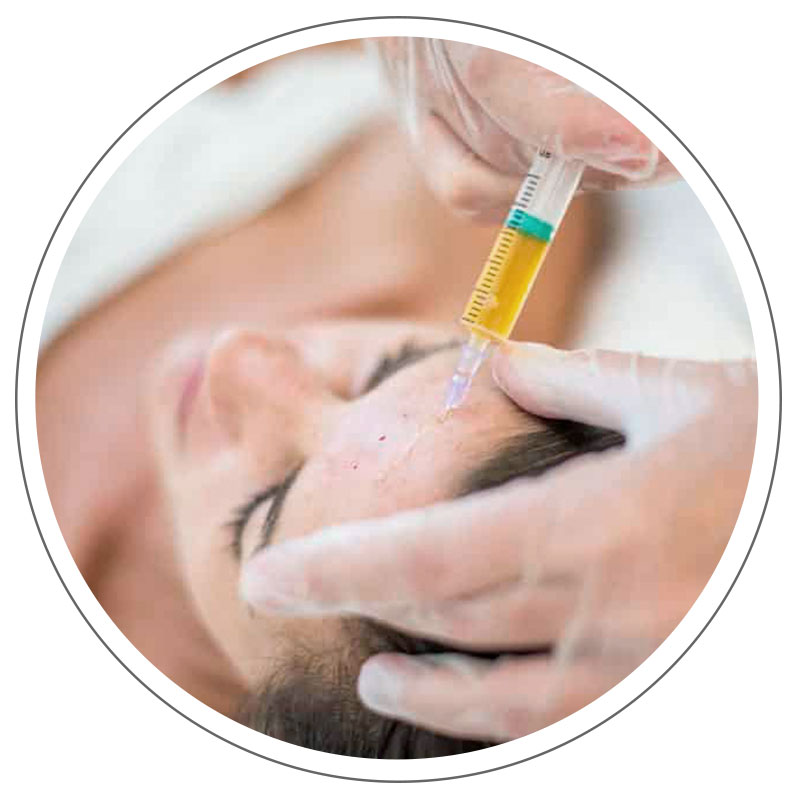
A small blood sample is collected and processed to prepare PRP, which is then applied using professional aesthetic techniques determined by your practitioner.
3. What skin concerns is PRP commonly selected for?
PRP may be chosen to support the appearance of:
Uneven skin tone
Reduced skin vitality
Fine surface texture irregularities
General signs of skin ageing
Individual outcomes vary.
4. Is PRP suitable for different skin types?
PRP is commonly used across a wide range of skin types. A consultation is required to determine suitability.
5. What can I expect during the treatment?
You may experience brief sensations of pressure or mild discomfort during the procedure. Treatment time varies depending on the areas treated.
6. Is there any downtime after treatment?
Most clients experience minimal downtime. Temporary redness, swelling or sensitivity may occur and typically resolves within a short period.
7. How many treatments are usually recommended?
The number of sessions depends on individual skin characteristics and aesthetic goals. Some clients choose a single session, while others include PRP as part of an ongoing skin maintenance plan.
8. When will I notice changes?
Gradual visual refinement of skin appearance may be observed following treatment. Results vary between individuals.
9. Are there any side effects?
Side effects are generally mild and temporary and may include redness, swelling, sensitivity or minor bruising at the treatment site.
10. Who is suitable for PRP?
PRP is suitable for adults seeking non-surgical cosmetic skin treatments. A consultation will determine individual suitability.
11. How should I prepare for treatment?
Your practitioner will provide personalised preparation guidance.
12. How should I care for my skin after treatment?
Aftercare may include:
Keeping the skin clean
Avoiding excessive sun exposure
Using sun protection
Following practitioner-provided aftercare instructions
13. Can PRP be combined with other treatments?
PRP may be scheduled alongside other aesthetic treatments. Your practitioner can advise on appropriate combinations.
PRP Therapy in Sydney — What to Expect, Suitability & Cost
What is PRP Therapy and what does it treat?
PRP Therapy is platelet-rich plasma therapy that uses your own growth factors to rejuvenate skin. At Freskin Beauty Clinic it is performed by experienced practitioners across our six Sydney clinics.
What can I expect during a PRP Therapy session?
Your session begins with a consultation to assess your skin and goals. Your practitioner then tailors the PRP Therapy settings to you, keeping you comfortable throughout. Session length varies by treatment area and is confirmed at your consultation.
Who is PRP Therapy suitable for?
PRP Therapy suits most adults looking to address the concerns it targets, but suitability depends on your skin, health and goals. A consultation at Freskin confirms whether it is right for you and whether a course of sessions is recommended.
Is there downtime after PRP Therapy?
Downtime varies with the treatment and your skin. Many clients return to normal activities soon after, sometimes with mild redness that settles quickly. Your practitioner will explain aftercare before you leave.
How much does PRP Therapy cost in Sydney?
The cost of PRP Therapy depends on the treatment area, the number of sessions and your personalised plan. Book a consultation at Freskin Beauty Clinic — with six clinics across Sydney including the CBD, Chatswood and Castle Hill — for an accurate, tailored quote. Call (02) 9211 9641.
Book your PRP Therapy consultation at Freskin Beauty Clinic — book online or call (02) 9211 9641. Find your nearest clinic: Sydney CBD, Chatswood, Macquarie Park, Burwood, Castle Hill or Hornsby.
Related treatments — Microneedling & Skin Renewal
View all Microneedling & Skin Renewal
Explore by concern
Microneedling & Skin Renewal · Anti-Ageing & Skin Tightening · Laser, IPL & Pigmentation · Acne & Skin Clarity · Body Contouring & Fat Reduction · Facials & Skin Health