


What Is Chemical Peels
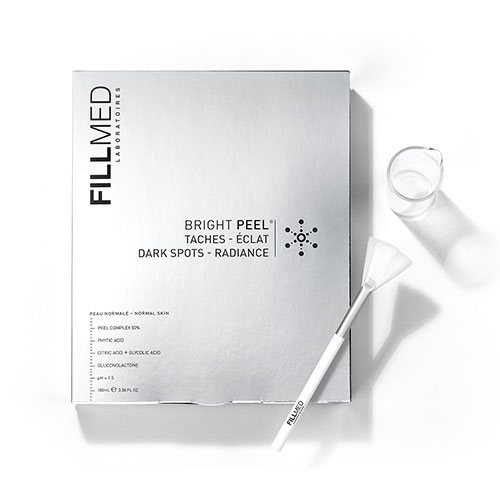
A Chemical Peel is a professional cosmetic exfoliation treatment designed to help refresh the appearance of the skin.
Using carefully selected acid-based solutions (such as glycolic acid), the treatment gently removes the outer layers of the skin to support visible improvement in:
Skin texture
Enlarged or congested pores
Uneven complexion
Redness appearance
Fine lines and surface dullness
The peel strength and formulation are adjusted by the practitioner according to individual skin condition and tolerance.
Where Is It Commonly Performed?
Chemical Peels are commonly performed on:
Face
Neck
Décolletage
Hands
Treatment Notes
Chemical Peels are aesthetic, non-surgical procedures and are not intended to diagnose or treat medical conditions. Results and tolerance vary between individuals. A professional consultation is required before treatment.
How Does a Chemical Peel Work?
Before Your Treatment
To support skin safety and optimal outcomes, you may be advised to:
Avoid direct sun exposure prior to your session
Use a prescribed preparatory skincare product for approximately 7–10 days before treatment (if recommended by your practitioner)
During the Treatment
A Chemical Peel is typically performed in three controlled stages:
Skin Preparation
The skin is cleansed and conditioned using a preparatory solution.Exfoliation Phase
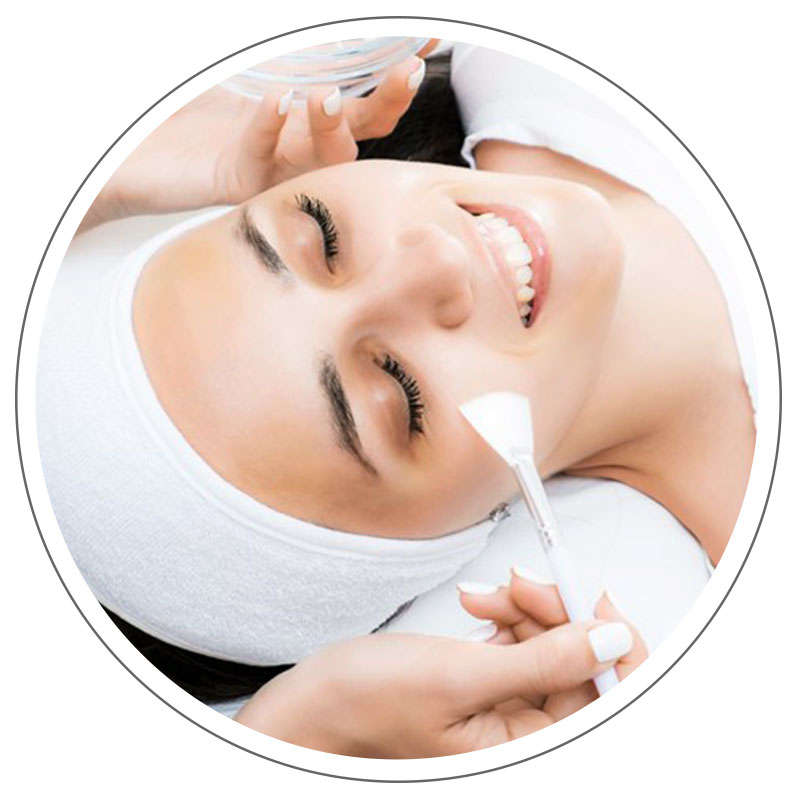
The peel solution is applied for a short, carefully monitored period to support surface exfoliation.Neutralisation & Soothing
A neutralising solution is applied to calm the skin and restore comfort.
After the Treatment
Temporary redness and mild skin flaking are common and usually short-lived.
A repairing and moisturising product should be applied regularly as advised.
Avoid sun exposure and use a high-protection broad-spectrum sunscreen.
Chemical Peels are cosmetic treatments and are not intended to diagnose or treat medical conditions. Individual response and recovery time may vary.
Chemical Peel – Frequently Asked Questions
1. What is a Chemical Peel?
A Chemical Peel is a cosmetic skin treatment where a controlled exfoliating solution is applied to the skin to support the removal of surface skin cells. This process encourages skin renewal and helps improve overall skin appearance.
2. How do Chemical Peels work?
The peel solution loosens the bonds between dead skin cells, allowing the outer layers to shed naturally. This supports skin renewal and collagen stimulation, leading to smoother and more even-looking skin.
3. What types of Chemical Peels are available?
Superficial Peels:
Use mild exfoliating acids to refresh the skin surface and support ongoing skin maintenance.Medium Peels:
Penetrate slightly deeper to address moderate skin texture and pigmentation concerns.Deep Peels:
Provide intensive resurfacing and require longer recovery periods. These are performed only after professional assessment.
4. What skin concerns can Chemical Peels help improve?
Fine lines and uneven texture
Dull or uneven skin tone
Sun-related pigmentation
Acne-prone or congested skin
Enlarged pores
5. Are Chemical Peels safe?
When performed by a qualified practitioner following proper assessment, Chemical Peels are generally well tolerated. Individual suitability and outcomes vary.
6. What can I expect during treatment?
Your practitioner will cleanse and prepare the skin before applying the peel solution for a controlled period. A mild tingling or warming sensation is common. The skin is then neutralised and soothed.
7. Is there downtime?
Superficial Peels: Minimal downtime
Medium Peels: Temporary redness and peeling for several days
Deep Peels: Extended recovery time
Your practitioner will advise on the most appropriate option for your skin.
8. How many sessions are recommended?
Treatment numbers vary based on skin condition and peel type. A series may be recommended for progressive skin improvement.
9. When will I see results?
Initial skin brightness and smoothness may be noticed within days, with continued improvement over the following weeks.
10. Are there side effects?
Temporary redness, dryness and flaking are common. More significant reactions are uncommon when protocols are followed correctly.
11. Who is suitable for Chemical Peels?
Clients seeking non-surgical skin refinement and rejuvenation may be suitable, subject to professional consultation.
12. How should I prepare?
Avoid sun exposure prior to treatment
Discontinue strong active skincare if advised
Follow all practitioner instructions
13. Aftercare guidelines
Use gentle skincare and moisturisers
Apply broad-spectrum sunscreen
Avoid sun exposure and picking at the skin
Follow clinic aftercare advice
14. Can Chemical Peels be combined with other treatments?
Yes, Chemical Peels are commonly integrated into comprehensive skin treatment plans. Your practitioner will advise on suitable combinations.
Chemical Peels in Sydney — What to Expect, Suitability & Cost
What is Chemical Peels and what does it treat?
Chemical Peels is chemical peels that brighten, resurface and refine the skin. At Freskin Beauty Clinic it is performed by experienced practitioners across our six Sydney clinics.
What can I expect during a Chemical Peels session?
Your session begins with a consultation to assess your skin and goals. Your practitioner then tailors the Chemical Peels settings to you, keeping you comfortable throughout. Session length varies by treatment area and is confirmed at your consultation.
Who is Chemical Peels suitable for?
Chemical Peels suits most adults looking to address the concerns it targets, but suitability depends on your skin, health and goals. A consultation at Freskin confirms whether it is right for you and whether a course of sessions is recommended.
Is there downtime after Chemical Peels?
Downtime varies with the treatment and your skin. Many clients return to normal activities soon after, sometimes with mild redness that settles quickly. Your practitioner will explain aftercare before you leave.
How much does Chemical Peels cost in Sydney?
The cost of Chemical Peels depends on the treatment area, the number of sessions and your personalised plan. Book a consultation at Freskin Beauty Clinic — with six clinics across Sydney including the CBD, Chatswood and Castle Hill — for an accurate, tailored quote. Call (02) 9211 9641.
Book your Chemical Peels consultation at Freskin Beauty Clinic — book online or call (02) 9211 9641. Find your nearest clinic: Sydney CBD, Chatswood, Macquarie Park, Burwood, Castle Hill or Hornsby.
Related treatments — Facials & Skin Health
Payot Facial · AquaPure Facial · Pola Facial · SkinCeuticals Facial
Explore by concern
Facials & Skin Health · Anti-Ageing & Skin Tightening · Laser, IPL & Pigmentation · Acne & Skin Clarity · Body Contouring & Fat Reduction